The Levi Lab
Molecular and quantitative ecology at the interface
of wildlife science, conservation, and human systems
Support our research. Gifts to the Carnivore Ecology and Conservation fund at the OSU Agricultural Research Foundation support our work on coastal wolves in Alaska, jaguars in the Brazilian Pantanal, Humboldt martens on the Oregon coast, and macaws in Guatemala.
Donate NowBasic & Applied Research
Across Three Continents
We apply molecular and quantitative methods to address fundamental and pressing problems in wildlife ecology, biodiversity science, and conservation—from the Neotropics to Alaska to Oregon.
Our work spans environmental genetics, trophic cascades, salmon ecology, disease ecology, and human-wildlife systems. We develop novel molecular tools, statistical models, and AI-assisted approaches to understand and protect the natural world.
The Levi Lab is part of the Cascadia Wildlife Lab, a collaborative research group mobilizing genomics, artificial intelligence, modeling, and field ecology for wildlife science and conservation.
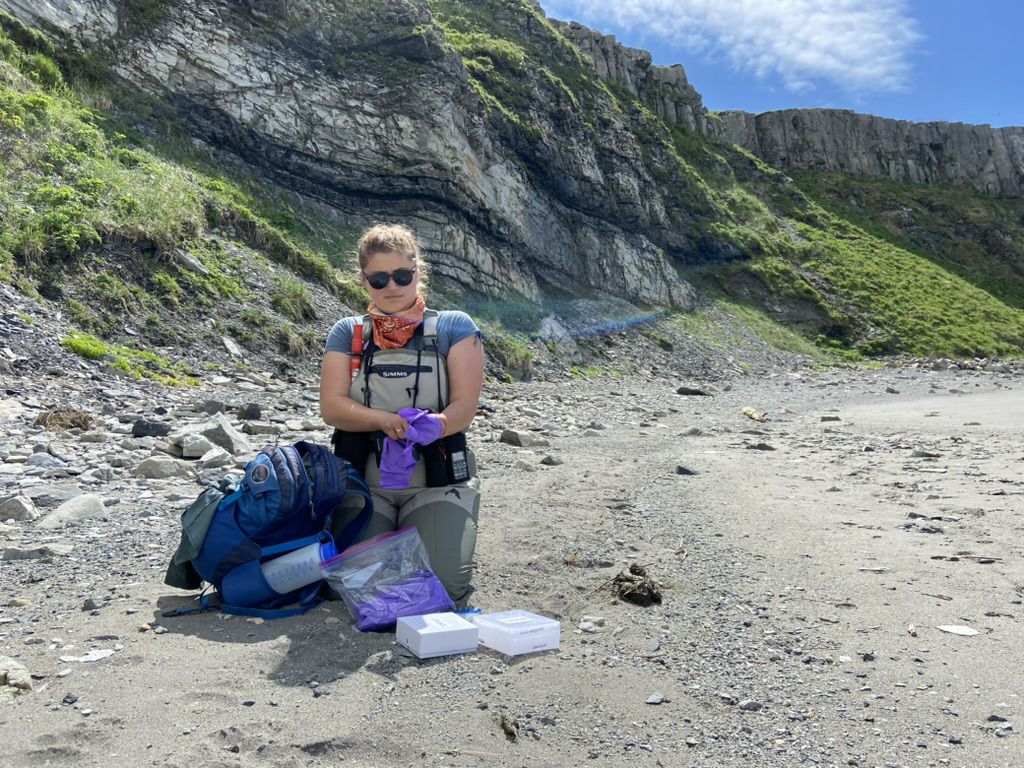
Wildlife in Motion
Camera traps and field cameras capture remarkable moments from our research sites across the Pacific Northwest, Alaska, and the Neotropics.
Our Research in Film
Short films from Oregon State University on what our fieldwork and analysis have turned up.
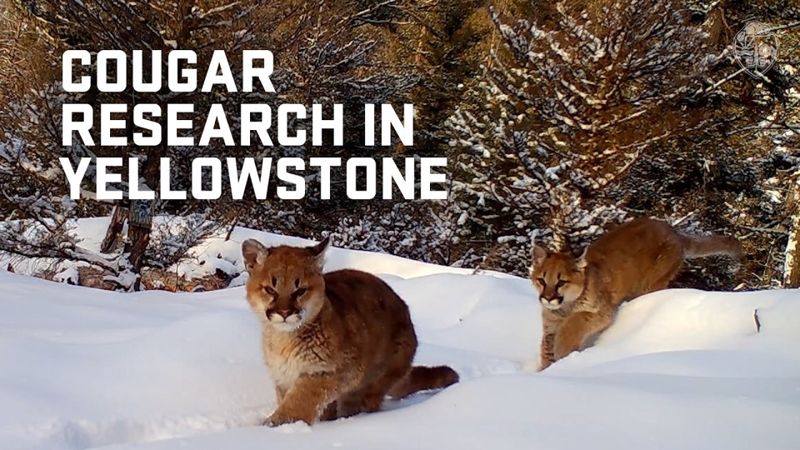
Cougar diets and behaviors reduce their competition with wolves in Yellowstone
How two apex predators share a landscape, and why coexistence comes down to diet and timing.
Watch on YouTube →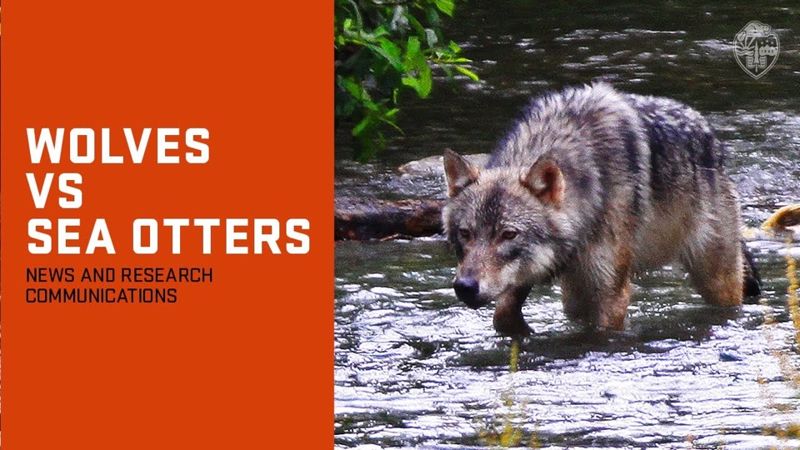
Sea Otters On The Menu
What a keystone species eats, and what eats it: coastal food webs revealed through diet analysis.
Watch on YouTube →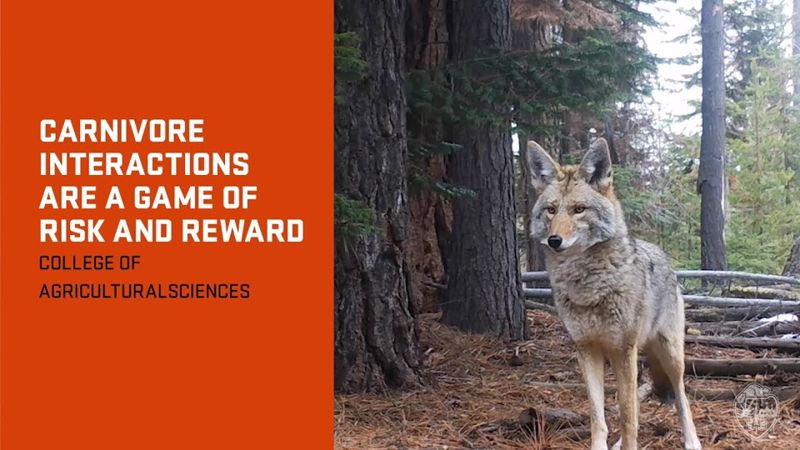
Carnivore interactions are a game of risk and reward
Smaller carnivores weigh threat against opportunity, and camera-trap networks make those trade-offs visible.
Watch on YouTube →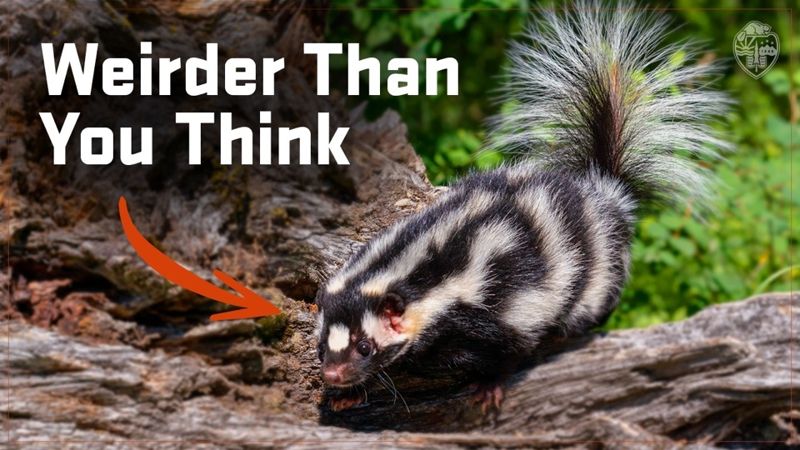
Why We Need More Skunks
The western spotted skunk is one of the region’s least-studied carnivores, and one of the most revealing about forest food webs.
Watch on YouTube →Recent Publications
Our research appears in leading journals including PNAS, Annual Review of EES, Nature Scientific Reports, and Ecology.
View All PublicationsJoin Our Team
We welcome curious, driven scientists interested in wildlife ecology, conservation genetics, quantitative methods, and beyond.