People
A collaborative group of ecologists, geneticists, modelers, and field biologists working across three continents.
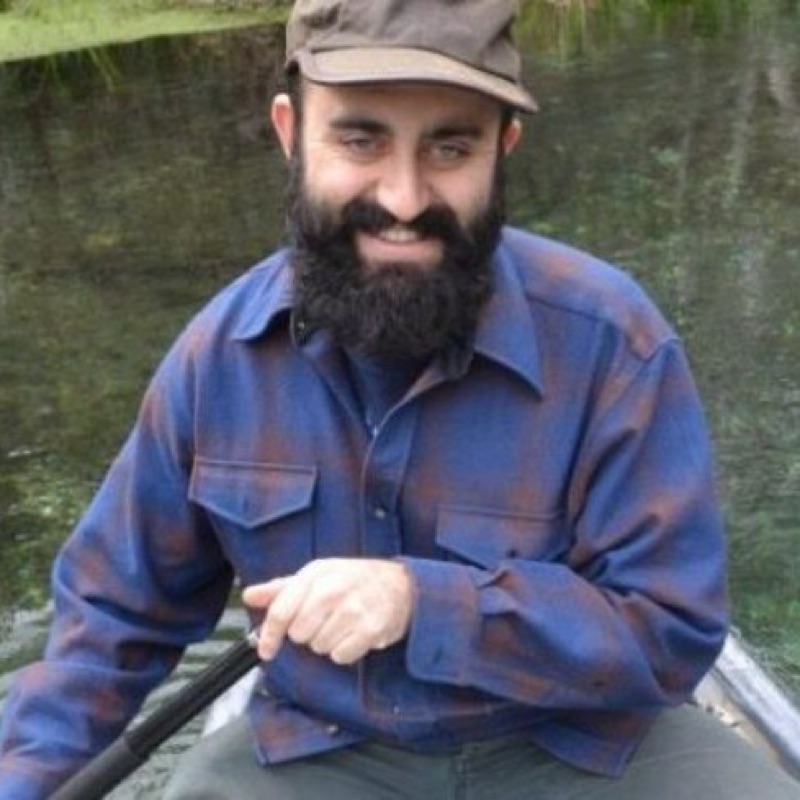
Taal leads the Levi Lab at Oregon State University. The lab applies molecular and quantitative methods to address basic and applied problems in wildlife ecology, biodiversity science, and conservation. Research spans the Neotropics, Alaska, and the Pacific Northwest — from the community ecology of Lyme disease to jaguar ecology in the Amazon to salmon-supported bear populations in Southeast Alaska.
The lab maintains a high-throughput molecular facility for DNA metabarcoding, genotyping by amplicon sequencing, and environmental DNA assays, and partners with the Pacific Northwest Bioacoustics Laboratory for passive acoustic monitoring of wildlife.
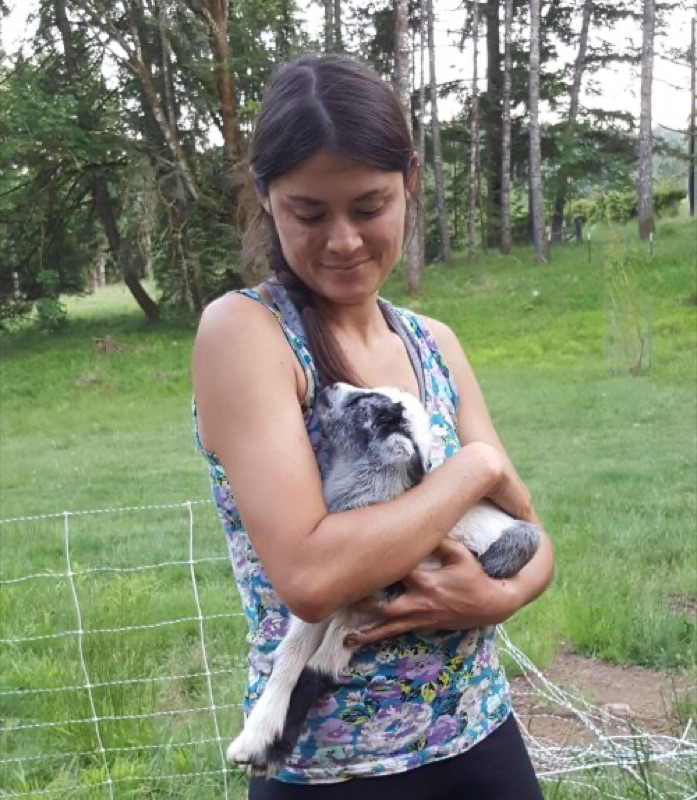
Manages the environmental genetics program. Leads eDNA projects for salmon and eulachon monitoring, fecal DNA diet analysis for carnivores, and bear genotyping in Southeast Alaska.
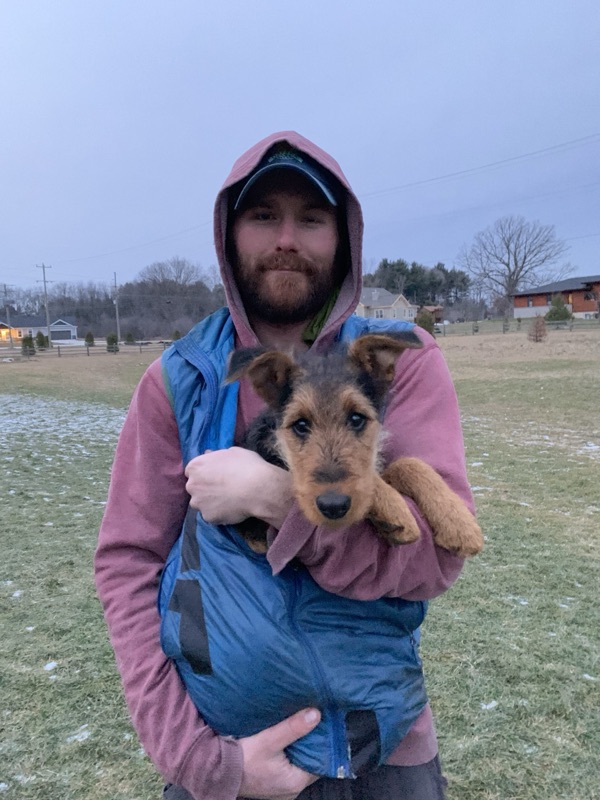
Investigates diets, dominance hierarchies, and kleptoparasitism driving asymmetric interactions between wolves and cougars in the Pacific Northwest.
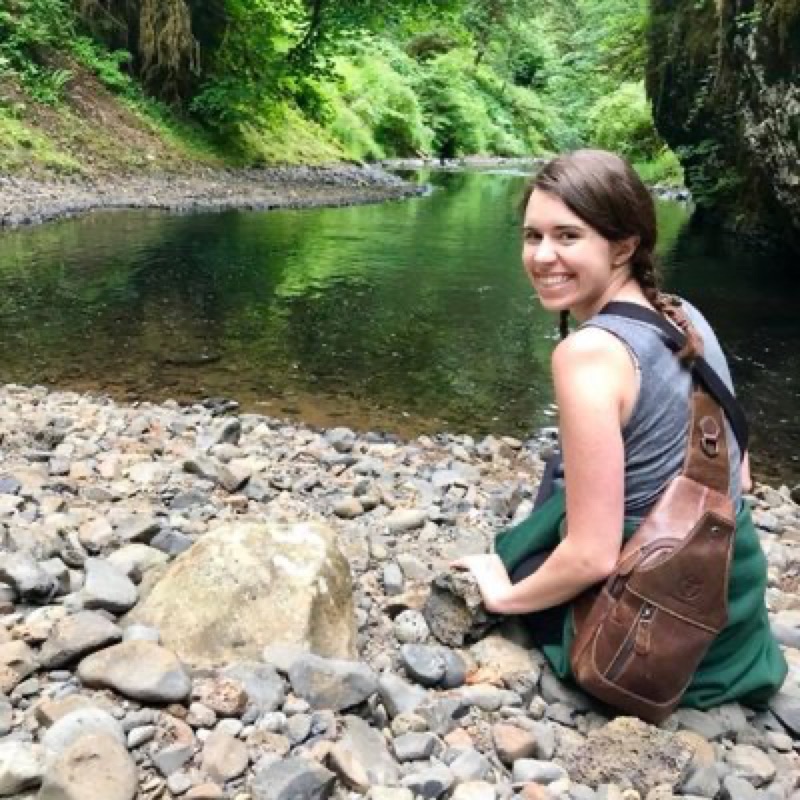
Research associate contributing to wildlife ecology and conservation science projects in the Levi Lab at Oregon State University.
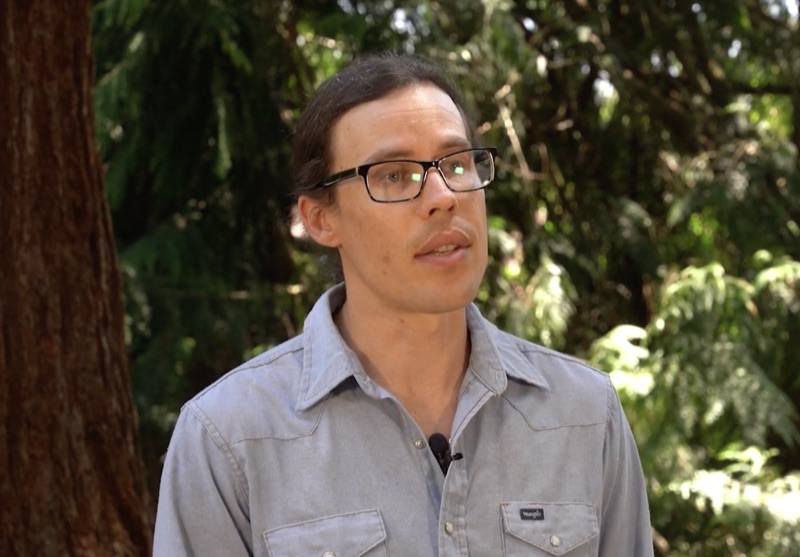
Studies spatial ecology of carnivore communities at Starkey Experimental Forest, integrating GPS collars, camera traps, and genetic data from 60+ collared animals to understand multi-predator interactions.
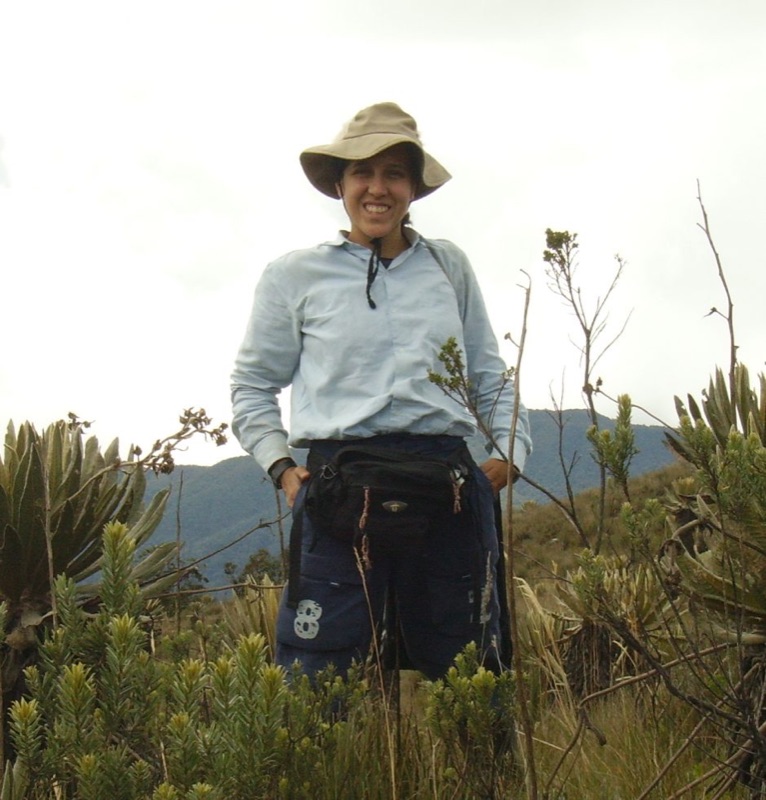
Ecologist focused on habitat disturbance, invasive species, and emerging infectious diseases. Currently leads white-nose syndrome bat surveillance in National Park Service sites, including Mount Rainier.
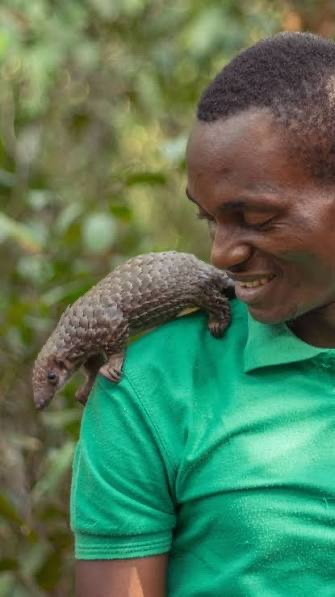
Investigates the intersection of wildlife trafficking and infectious disease in Liberia, examining how illegal wildlife trade networks create pathways for zoonotic disease emergence and spread.
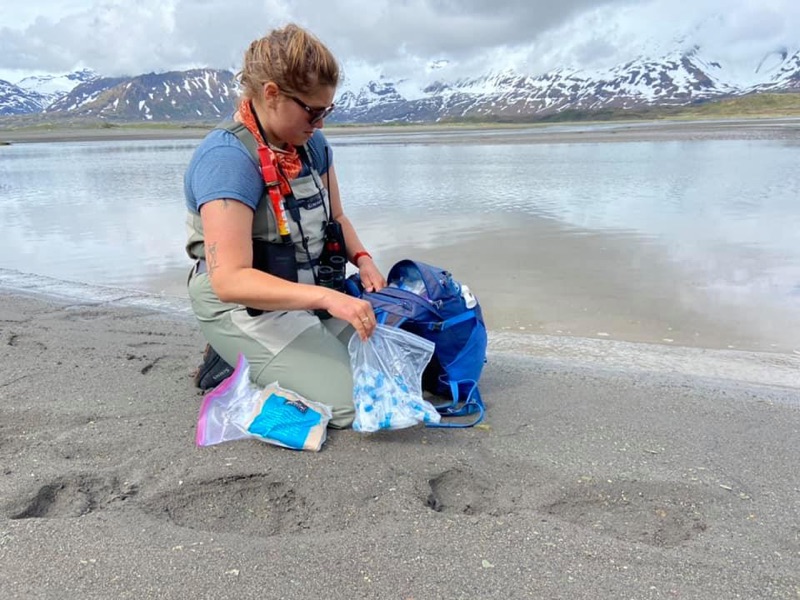
Studies niche partitioning among Neotropical felids, carnivore foraging ecology in Gulf of Alaska national parks, and develops methods for correctly characterizing animal behavioral interactions with camera trap data.
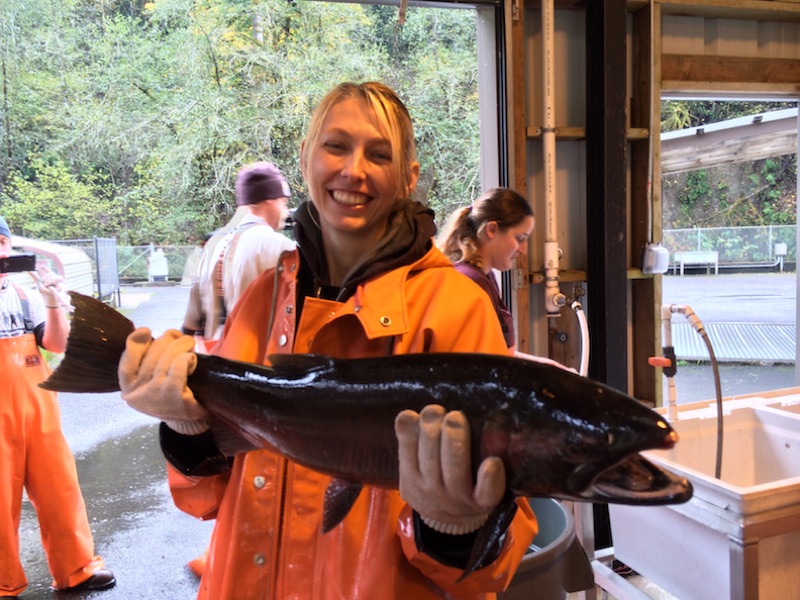
Leads the Oregon Biodiversity Genome Project — building and curating a mitogenomic reference database to improve regional aquatic species identification via environmental DNA.
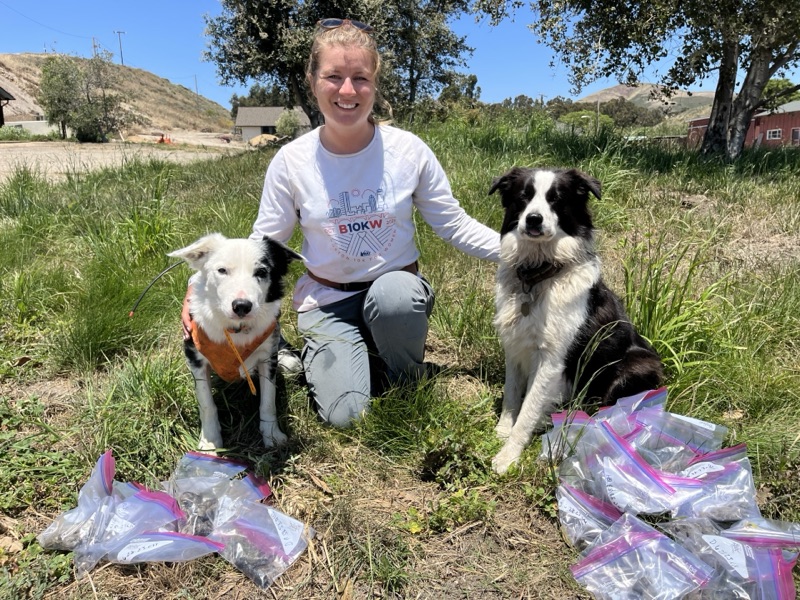
PhD student in the Levi Lab studying wildlife ecology and conservation biology at Oregon State University.
Applies next-generation genetic tools to assessment and demographic monitoring of threatened and elusive carnivores, including Humboldt martens across the Pacific Northwest.
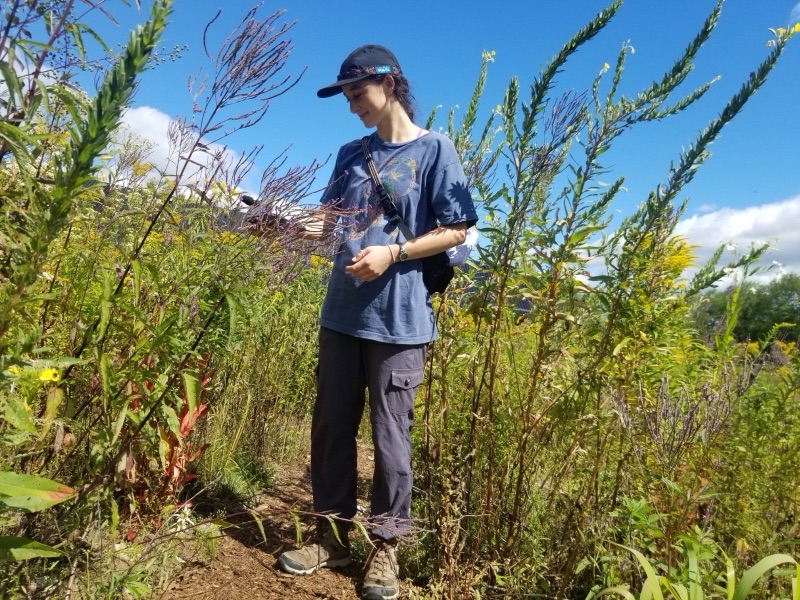
Uses passive acoustic monitoring and machine learning to identify and map distributions of forest birds and other wildlife across the Pacific Northwest, contributing to the PNW-Cnet acoustic monitoring network.
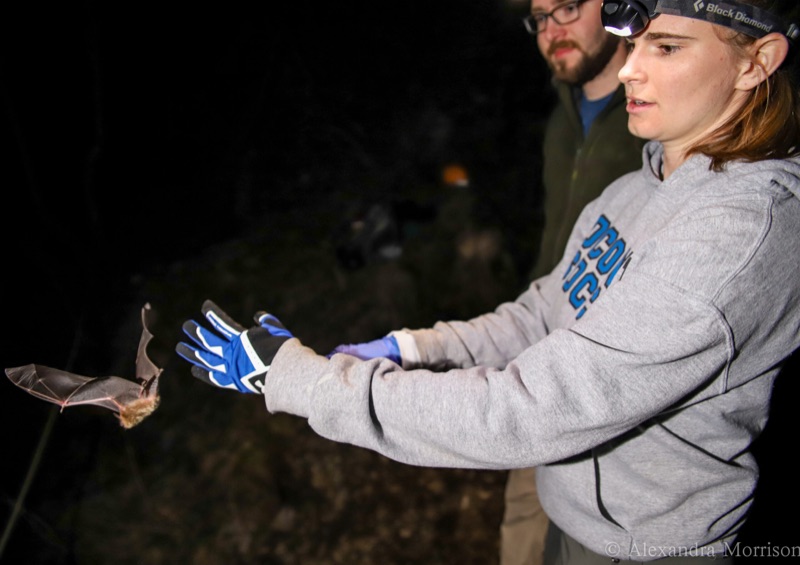
Graduate researcher contributing to carnivore ecology and wildlife monitoring projects across the Pacific Northwest.
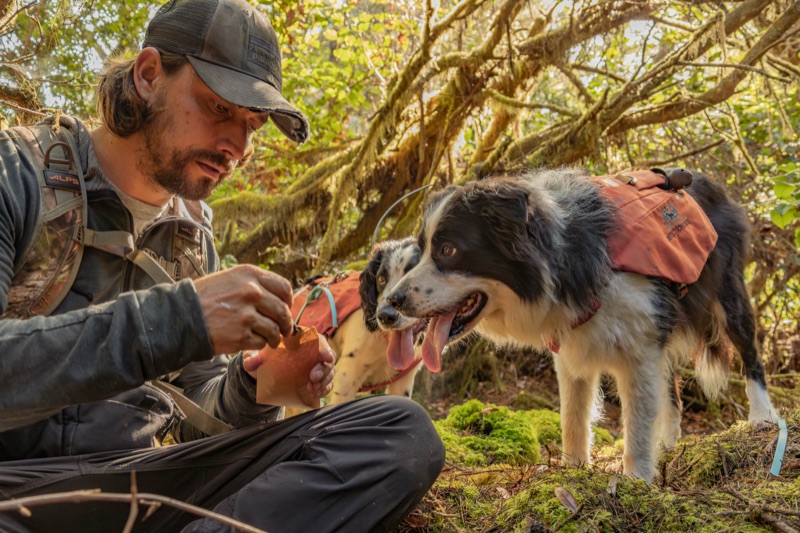
Uses noninvasive genetic sampling to study Humboldt marten diet, density, and population demographics — contributing to conservation planning for this rare and geographically isolated Pacific Coast carnivore.
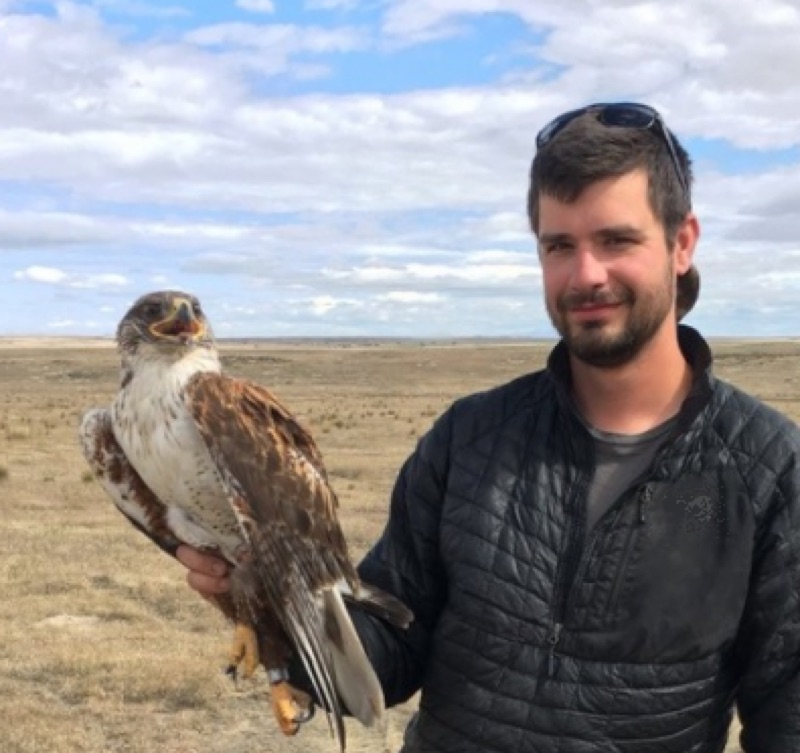
Studies raven occupancy and their impacts on sagebrush-obligate species, particularly sage grouse, across the Great Basin — examining how corvid range expansion reshapes predator-prey dynamics in arid shrubland ecosystems.
Supports molecular laboratory work across the lab's environmental genetics projects.

Contributing to research operations and lab projects in the Levi Lab at Oregon State University.
Contributing to research operations and lab projects in the Levi Lab at Oregon State University.
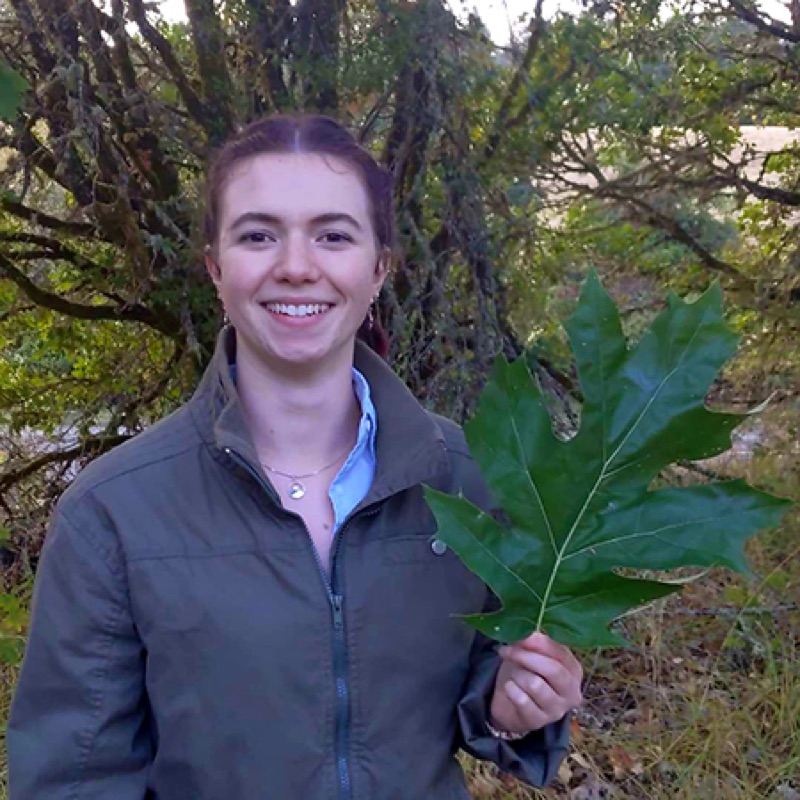
Contributing to research operations and lab projects in the Levi Lab at Oregon State University.
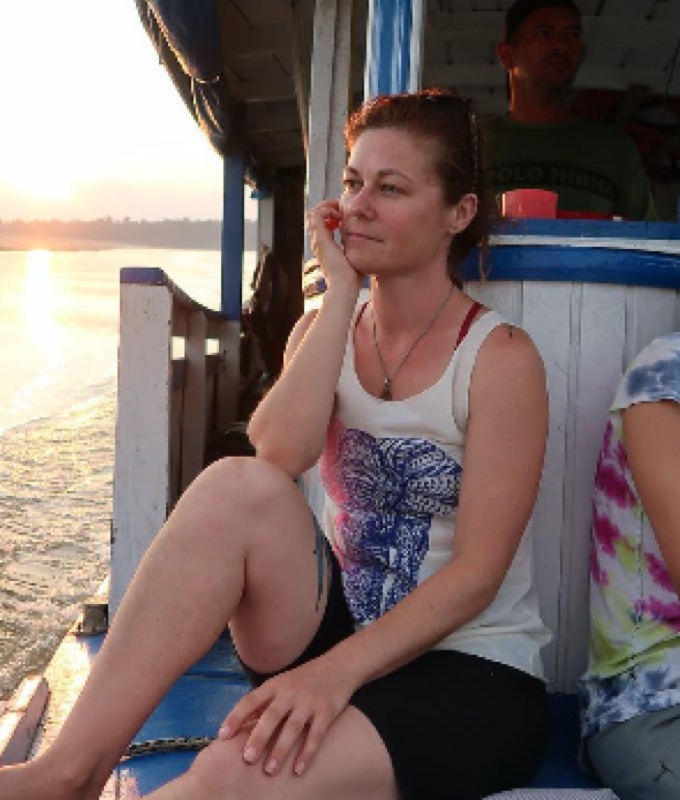
Contributing to research operations and lab projects in the Levi Lab at Oregon State University.
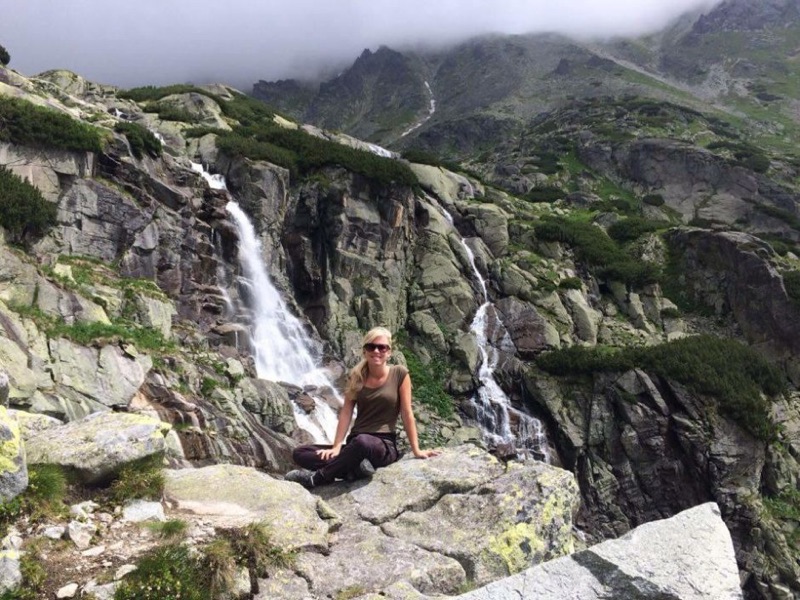
Studied carnivore ecology using noninvasive techniques. Developed novel SNP genotyping methods via amplicon sequencing. Researched jaguar ecology in Brazil and carnivore communities in Oregon.
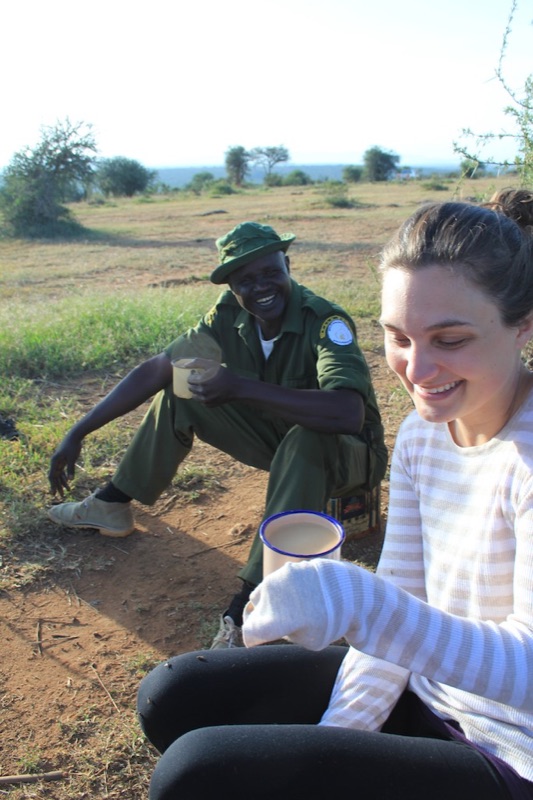
Combined disease ecology, quantitative methods, and mammalian ecology to examine how land-use change and biodiversity loss drive infectious disease dynamics across Amazon deforestation gradients.
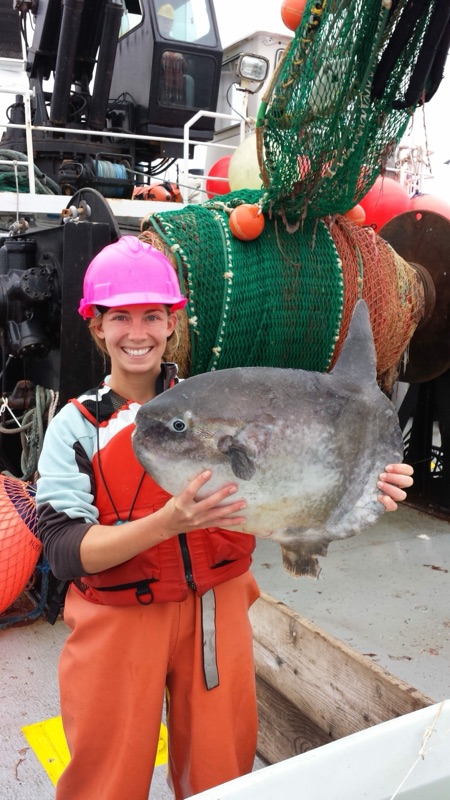
Studied predation and migration in aquatic environments. Focused on juvenile salmon mortality, seascape ecology, and Chinook salmon bycatch dynamics in Pacific hake fisheries.
Studied non-consumptive behavioral responses of elk to human hunters and how fire history shapes large herbivore behavior across circadian, seasonal, and successional scales.
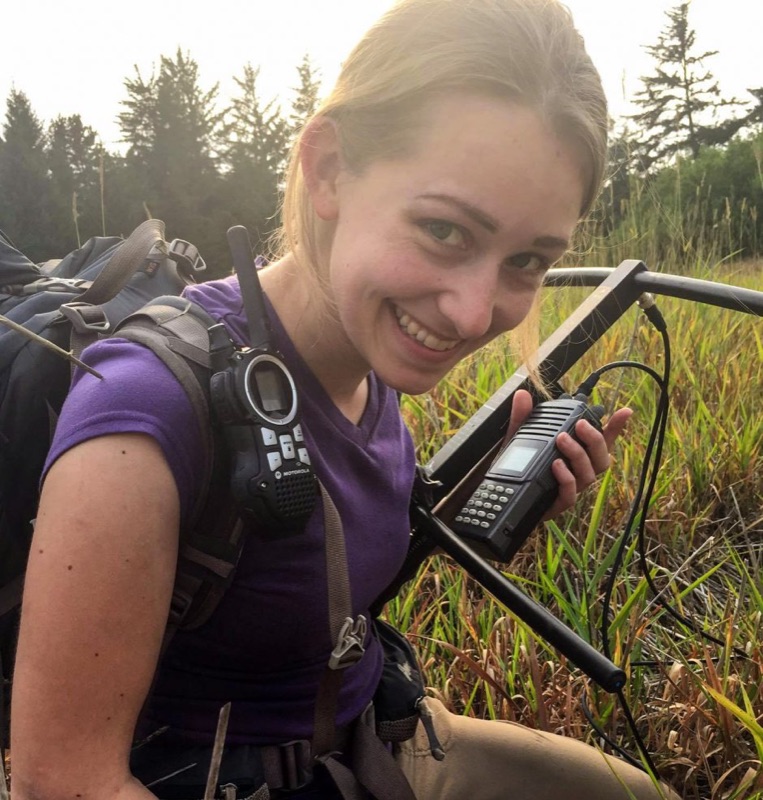
Applied passive acoustic monitoring to estimate Northern Spotted Owl occupancy across the Pacific Northwest and developed Njobvu-AI, a collaborative platform for computer vision in ecological research.
PhD research on how diets, dominance hierarchies, and kleptoparasitism drive asymmetric interactions between wolves and cougars. Now a postdoctoral scholar in the lab.
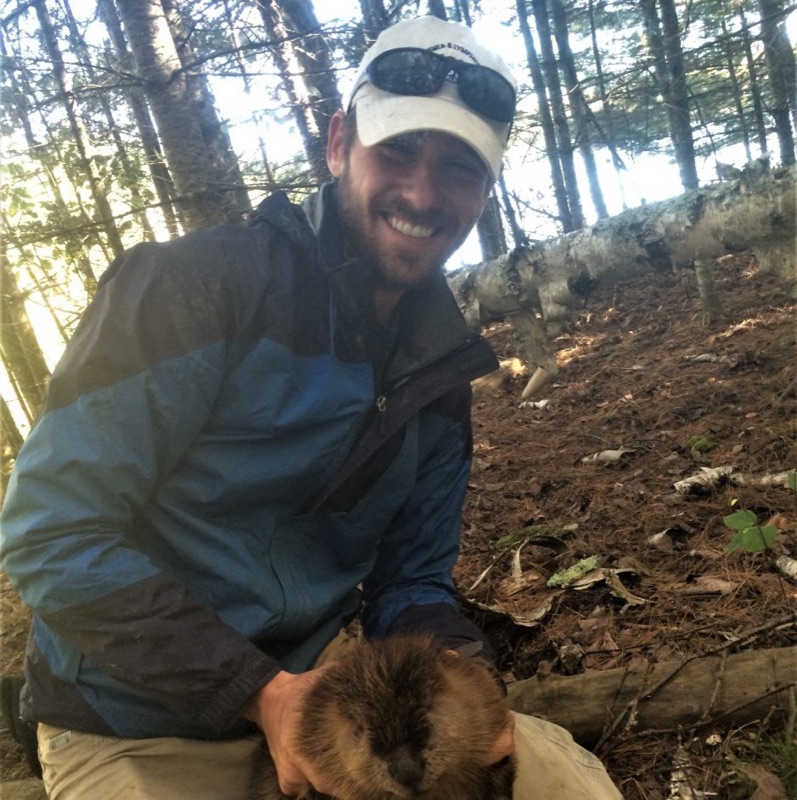
Studied the effects of predator recovery and climate change on the long-term demography of large herbivores, integrating population modeling with field data.
Completed a PhD in the lab and continues as a research associate.
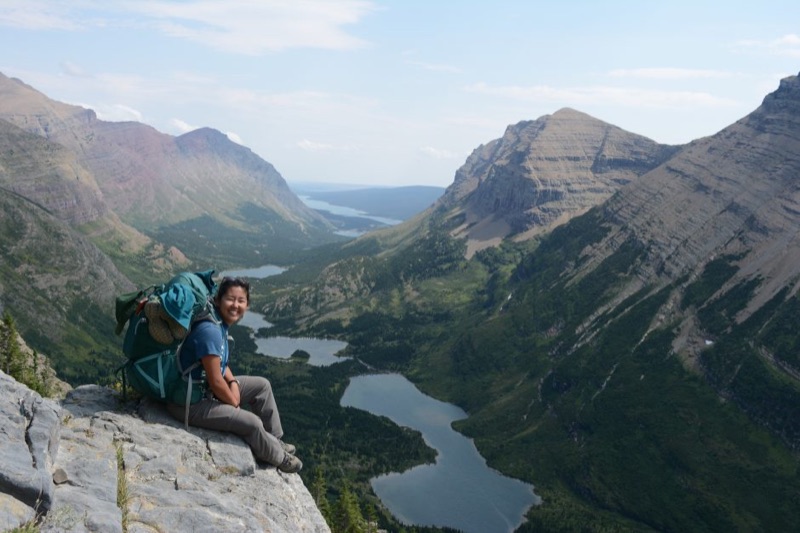
Investigated the terrestrial food web of Pacific Northwest forests, focusing on small carnivore and prey interactions at HJ Andrews Experimental Forest. Expert in western spotted skunk ecology.
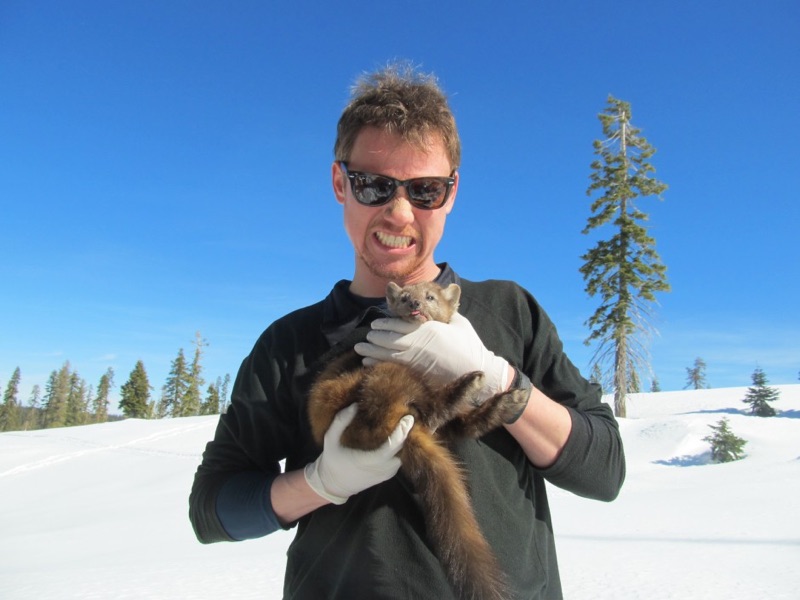
Studied fisher distribution in southwestern Oregon using camera traps and genetic sampling. Now Wildlife Biologist with the Confederated Tribes of the Grande Ronde.
Studied the drivers of mule deer survival in Oregon, integrating GPS telemetry and statistical modeling to understand how predation, habitat, and climate shape ungulate population dynamics.
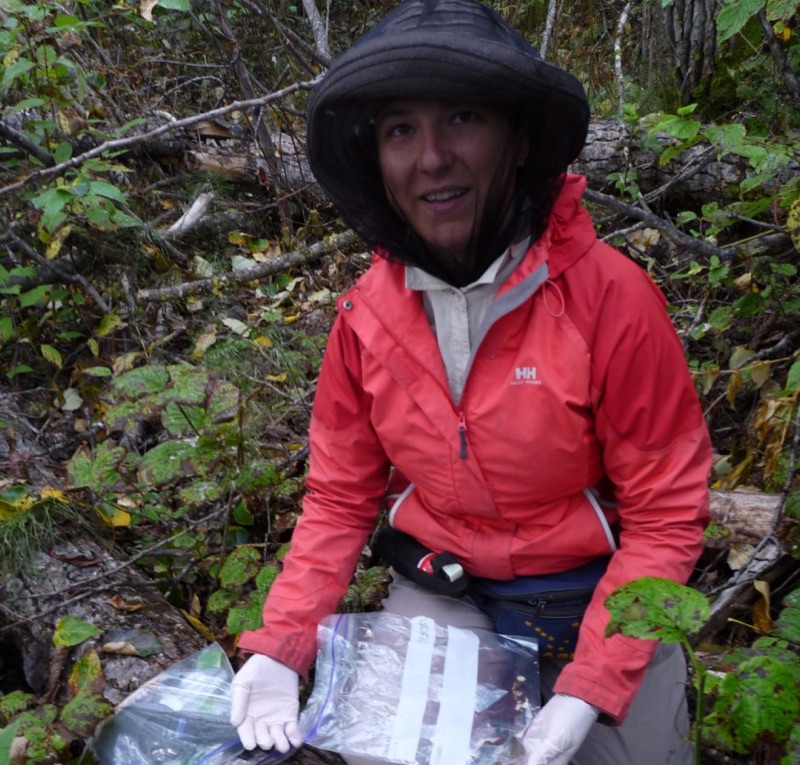
Published foundational research on the primacy of bears as seed dispersers in salmon-bearing ecosystems, illuminating marine-terrestrial nutrient linkages.
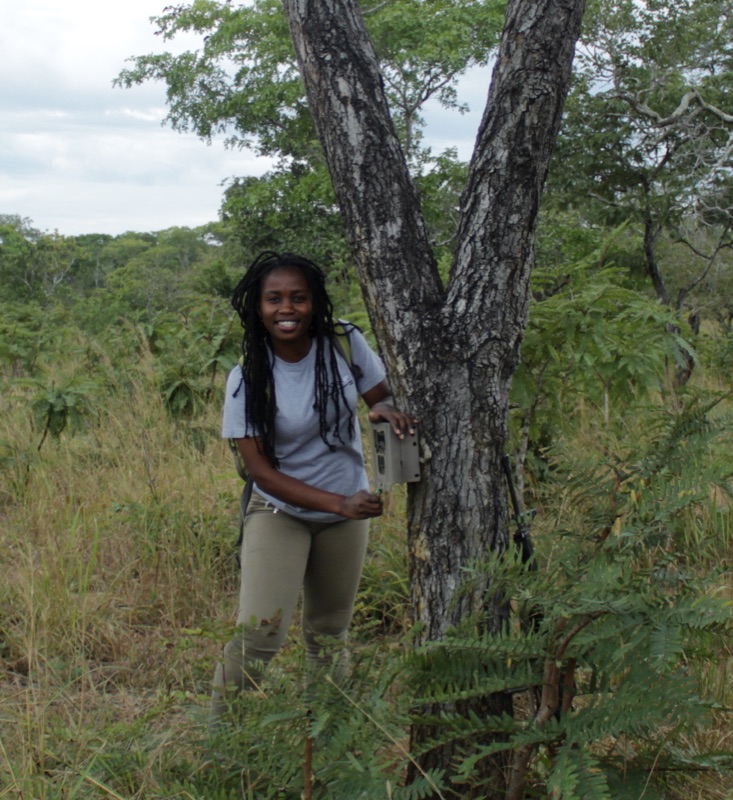
Studied spatial memory and resource selection patterns in translocated African elephants, bridging expertise in spatial ecology and conservation biology.
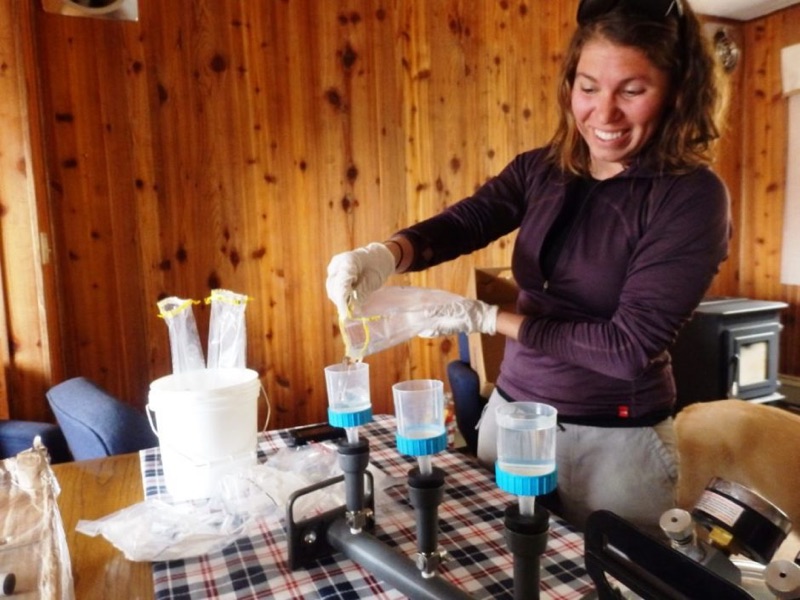
Applied environmental DNA methods for multi-year population estimation of millions of anadromous salmon, working with tribal partners in Southeast Alaska.
Investigated the drivers of tick abundance and infection prevalence across the United States, comparing biotic and abiotic factors to better understand the ecology of tick-borne disease risk.
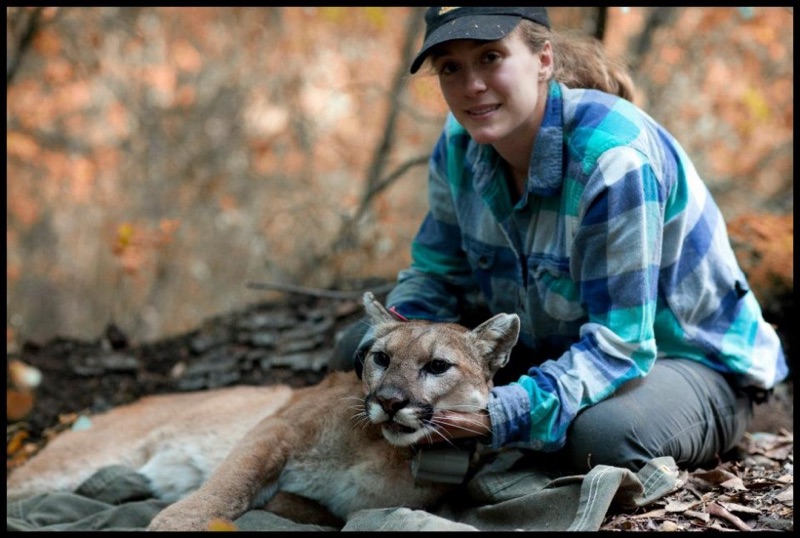
Researched seed dispersal and resource subsidies from salmon-supported bears to granivores, linking salmon ecology to forest regeneration dynamics.
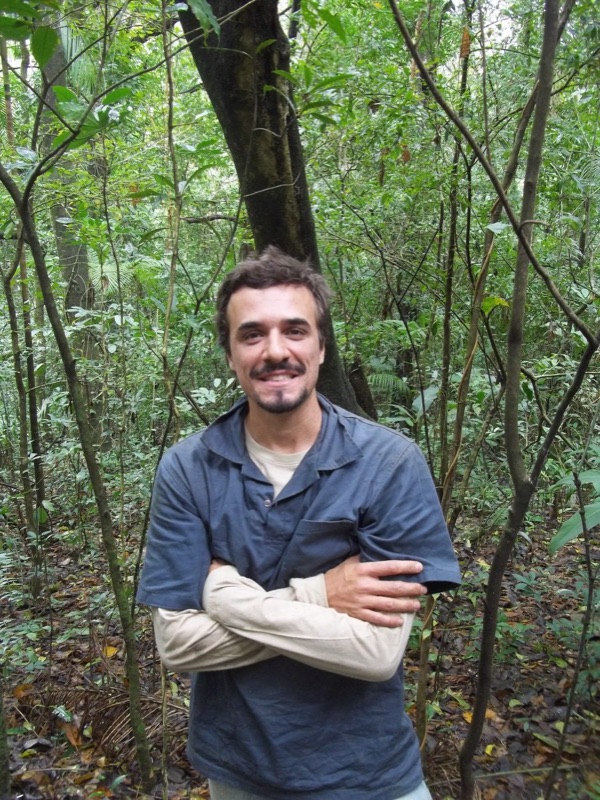
Published research on seed dispersal by large-bodied invasive species in defaunated Neotropical landscapes and diet of invasive wild pigs in sugar cane ecosystems.
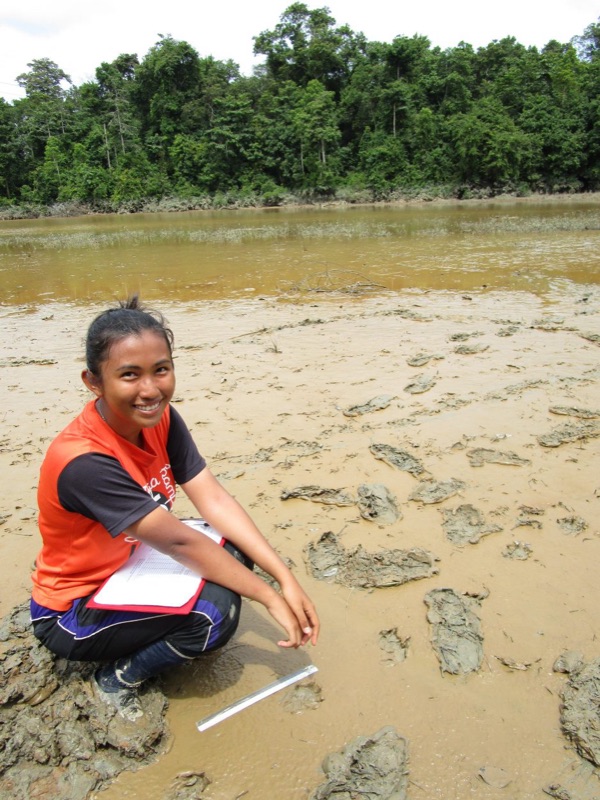
Visiting MS student who contributed to environmental genetics and wildlife ecology research projects in the lab.
Interested in Joining the Lab?
We welcome applications from prospective graduate students and postdoctoral researchers with interests spanning wildlife ecology, conservation genetics, and quantitative biology.